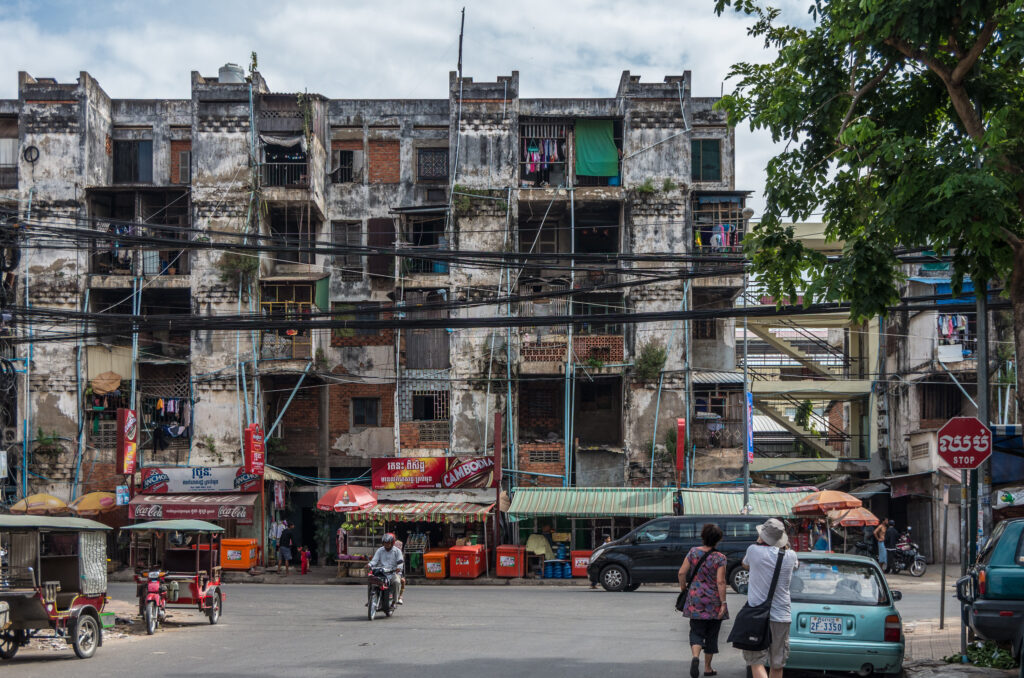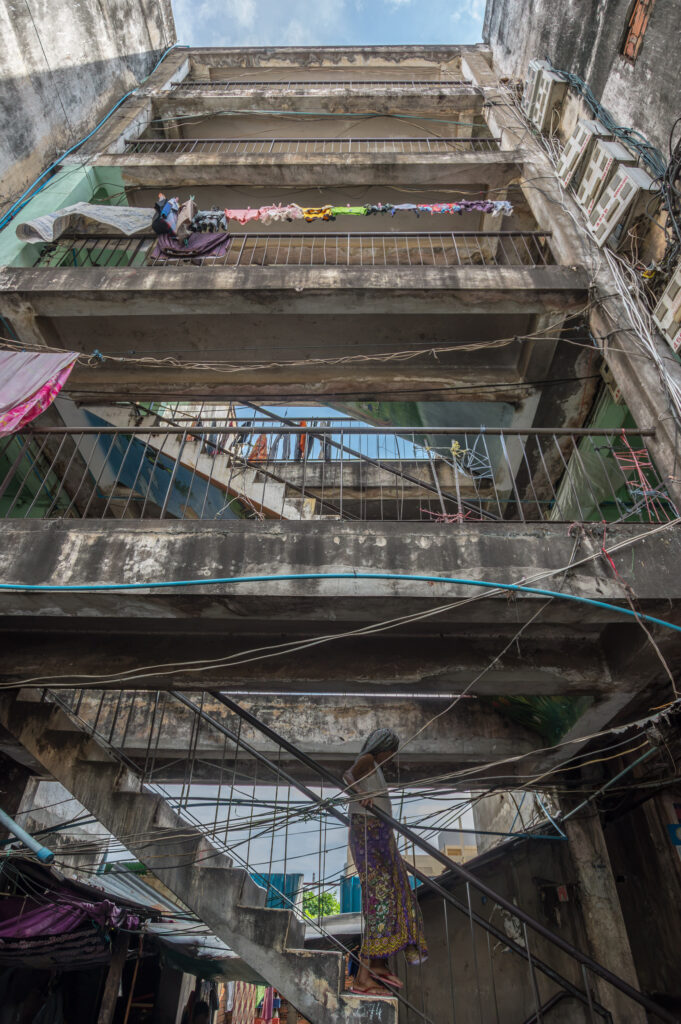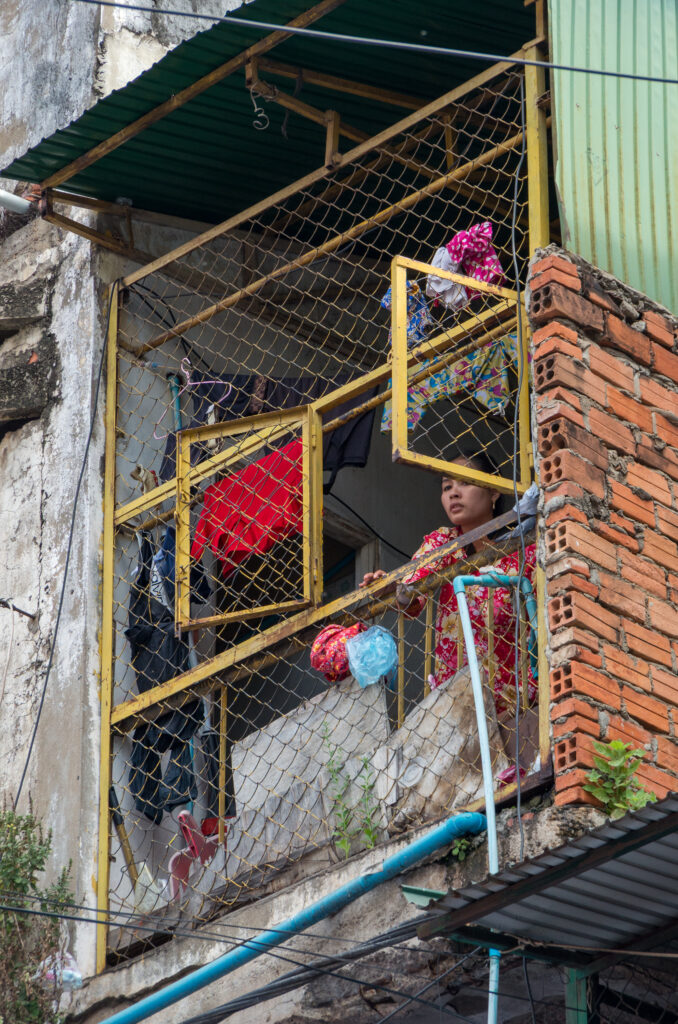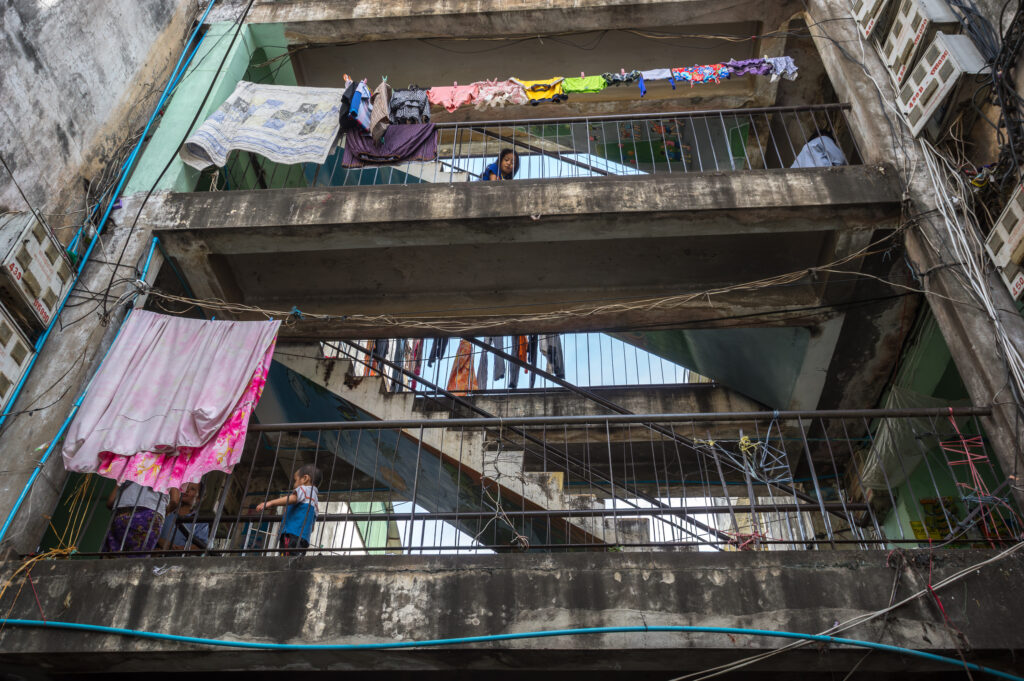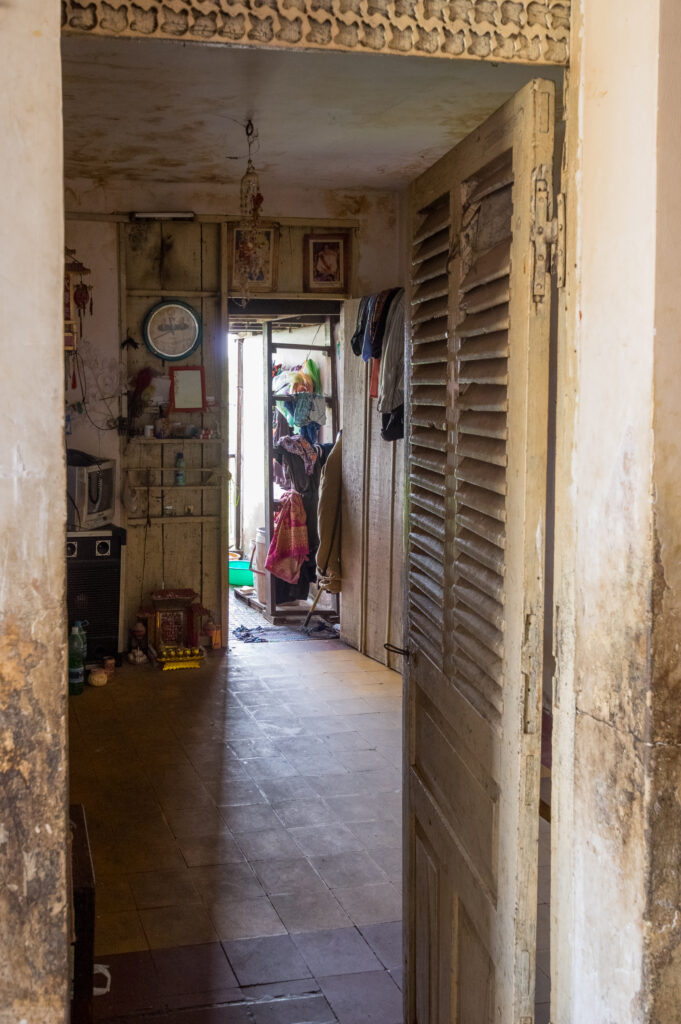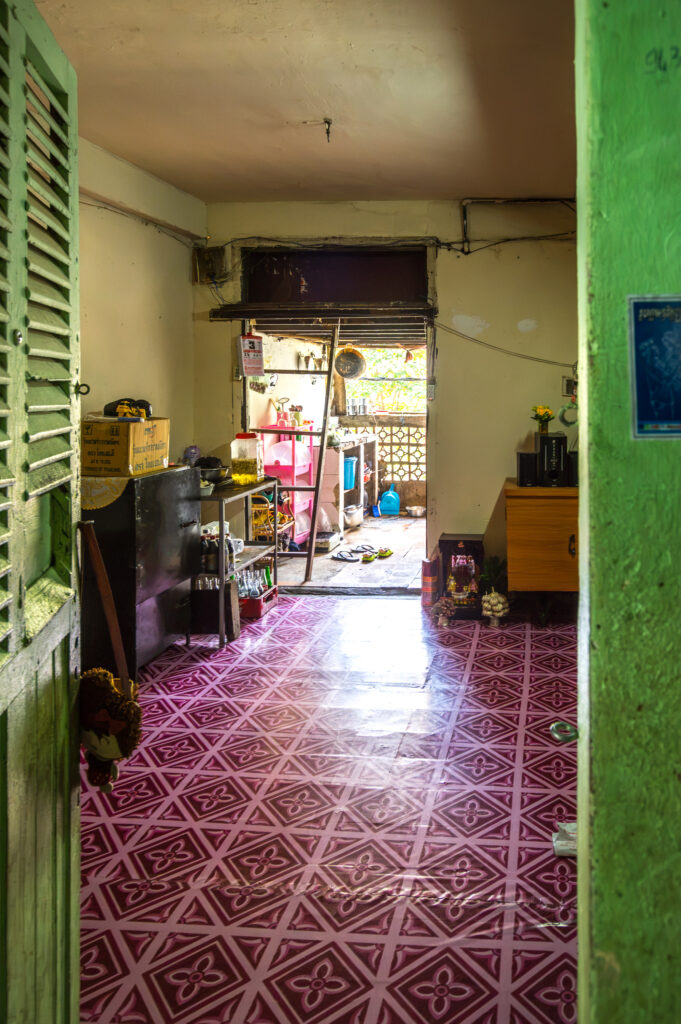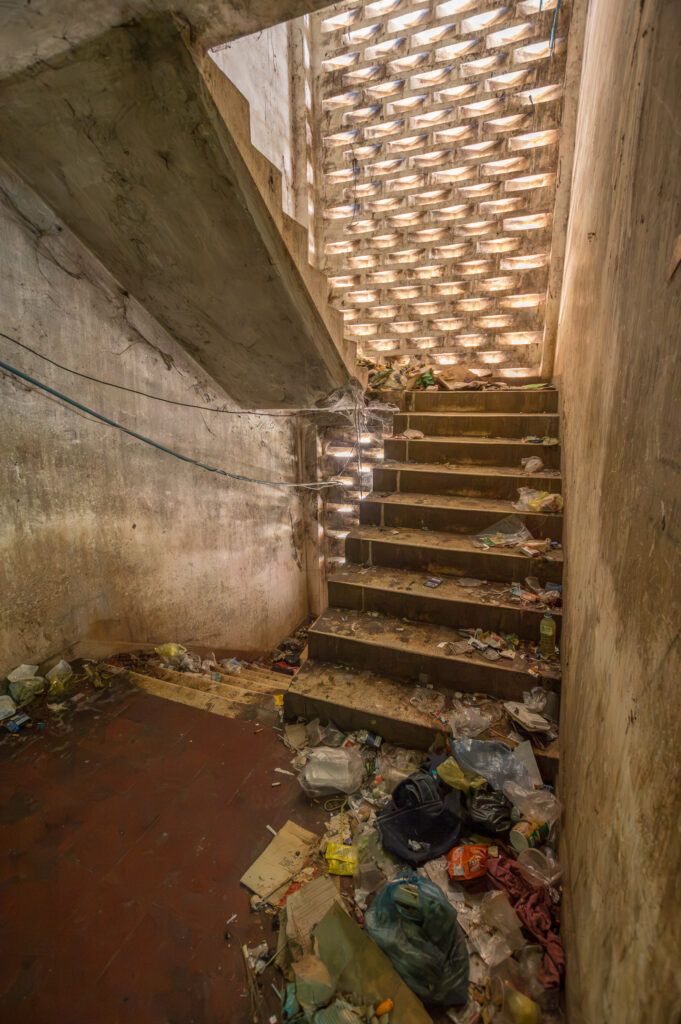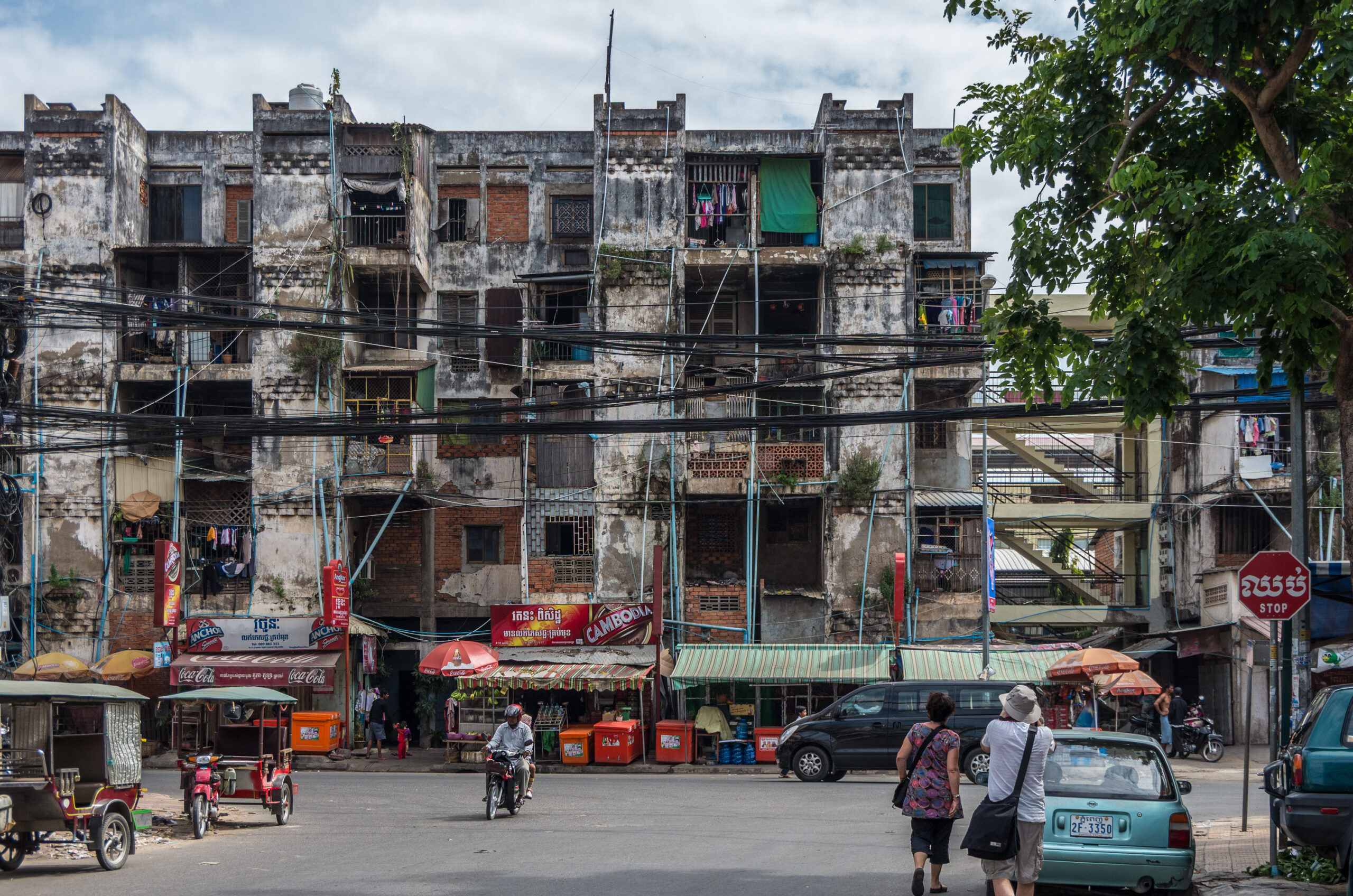
Phnom Penh’s White Building — more formally known as the Municipal Apartments — was part of Cambodia’s post independence (from France) revitalization sponsored and promoted by King Sihanouk’s government. Inspired by Le Corbusier’s utopian projects, the White Building was planned to be the first of many Modernist architectural buildings and as such was part of a much larger national art emphasis designed to meld the glories of the Khmer past with a forward looking, progressive future. Comprising 468 apartments, the White Building was the first public housing to offer a multi-story, modern, urban lifestyle to the lower- and middle-class Cambodians of the rapidly expanding capital city. Designed by Cambodian architect Lu Ban Hap and French-Ukrainian architect Vladimir Bodiansky, the building opened in 1963.
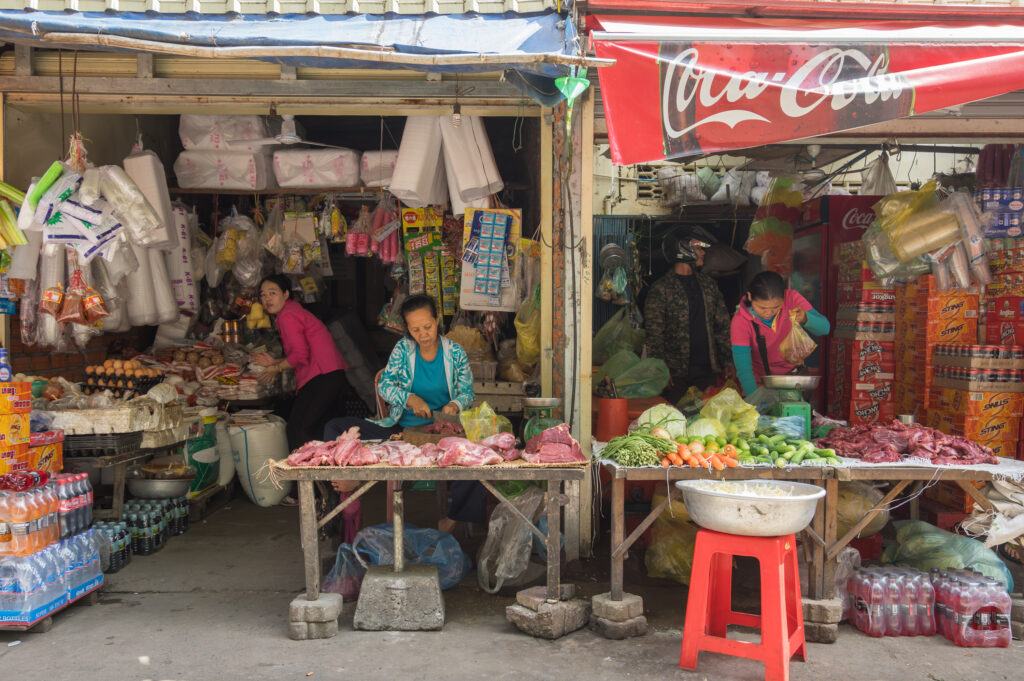
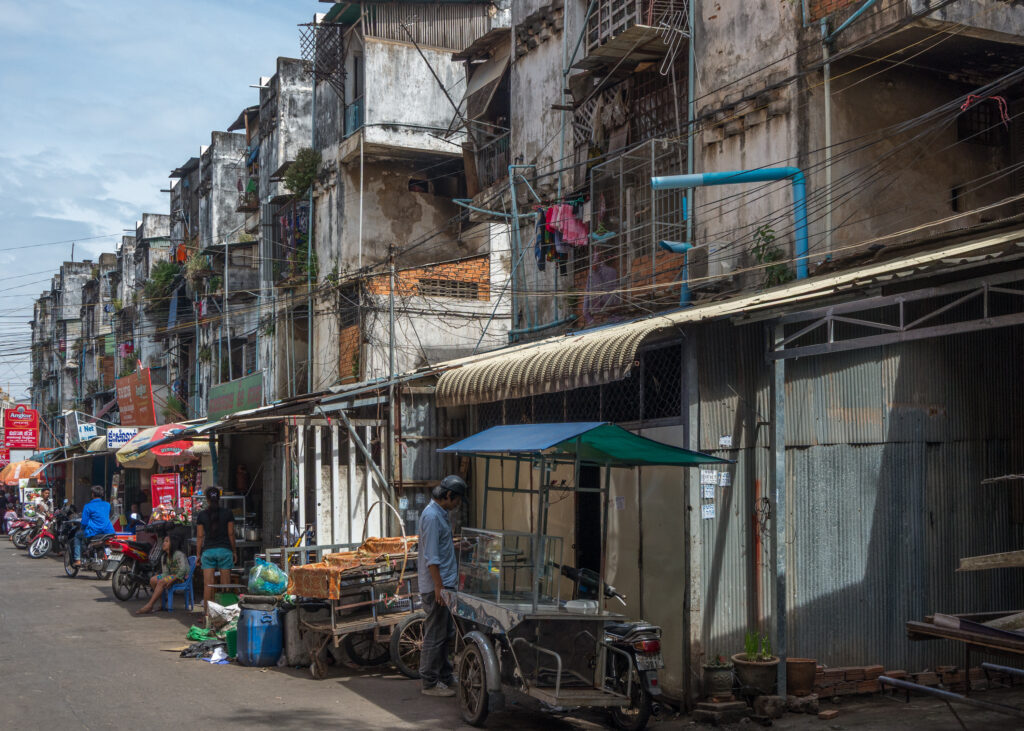
In 1970 began a period of instability, civil war, revolution and eventually, with the ascension of the Khmer Rouge in 1975, national self-genocide. An estimated 90% of Cambodia’s artists were executed along with many scientists, teachers, physicians, and anyone thought to be an intellectual. The cities — and Phnom Penh in particular — were depopulated as the people who weren’t killed were forced into the countryside. The White Building was abandoned and left to the elements. By 1979, next door neighbor Vietnam (recently having defeated the US in that long war) was fed up with the instability of Pol Pot’s regime, invaded Cambodia (briefly known as Kampuchea), and chased the Khmer Rouge out of Phnom Penh and eventually into oblivion. As part of an effort to rebuild Cambodian culture, the then-occupying Vietnamese authorities allowed artists and other returning-to-the-city citizens to move back into the building rent-free. During the 80’s and 90’s, the building became a well-known, self-sustaining artist community with art classes, workshops and on the ground floor food stalls, salons, dry goods stores, etc. By the late 1990s, with upkeep on the building flagging for decades, the White Building was in serious need of renovation, structurally as well as aesthetically.
During this same period, the authoritarian government of Hun Sen increasingly embraced the emerging neoliberal order that had taken root in Southeast Asia as it saw an opportunity to cash in on the growing, nouveau riche class of Cambodia. As land prices began to skyrocket in the sprawling capital, the location of the White Building was deemed prime real estate. This, coupled with the continued deteriorating condition of the building, led to its condemnation. Due to the persistent resilience of the residents, they were able to negotiate a buyout price and the building was then demolished in 2017. Nine years on, the former location of the White Building remains a flattened memory with the stated goal to eventually build luxury high-rise apartments. This, in and of itself, is a statement of our times.
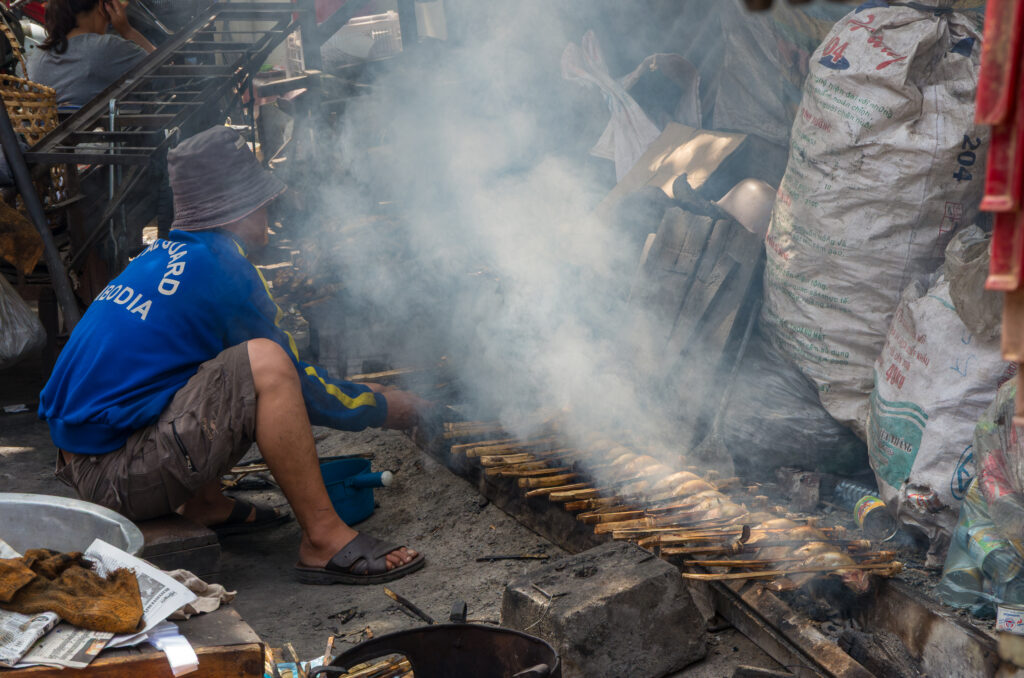
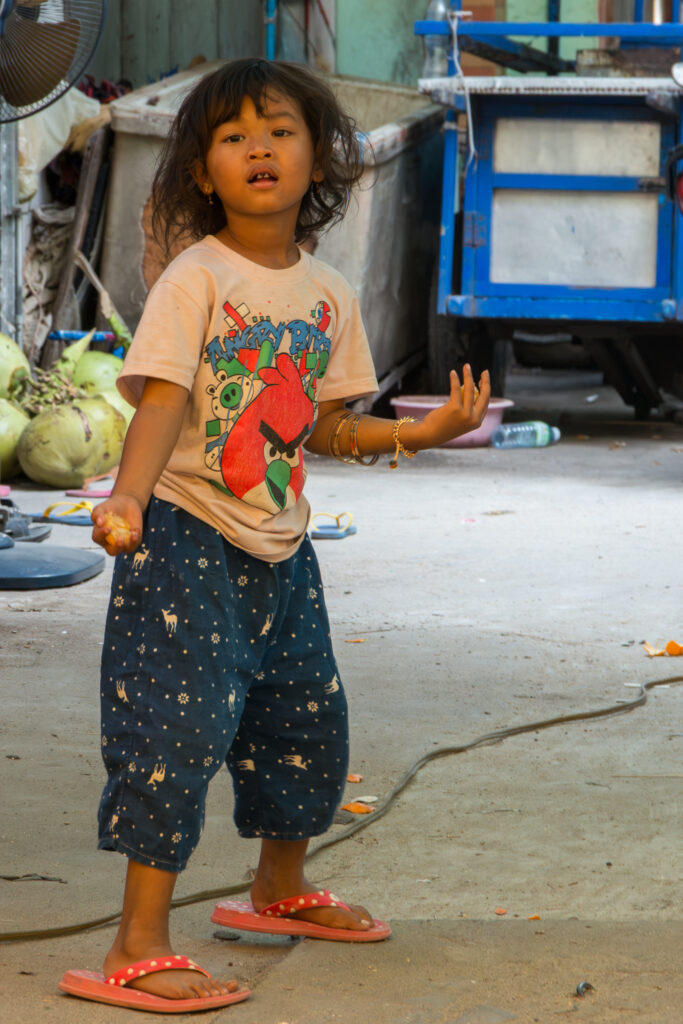
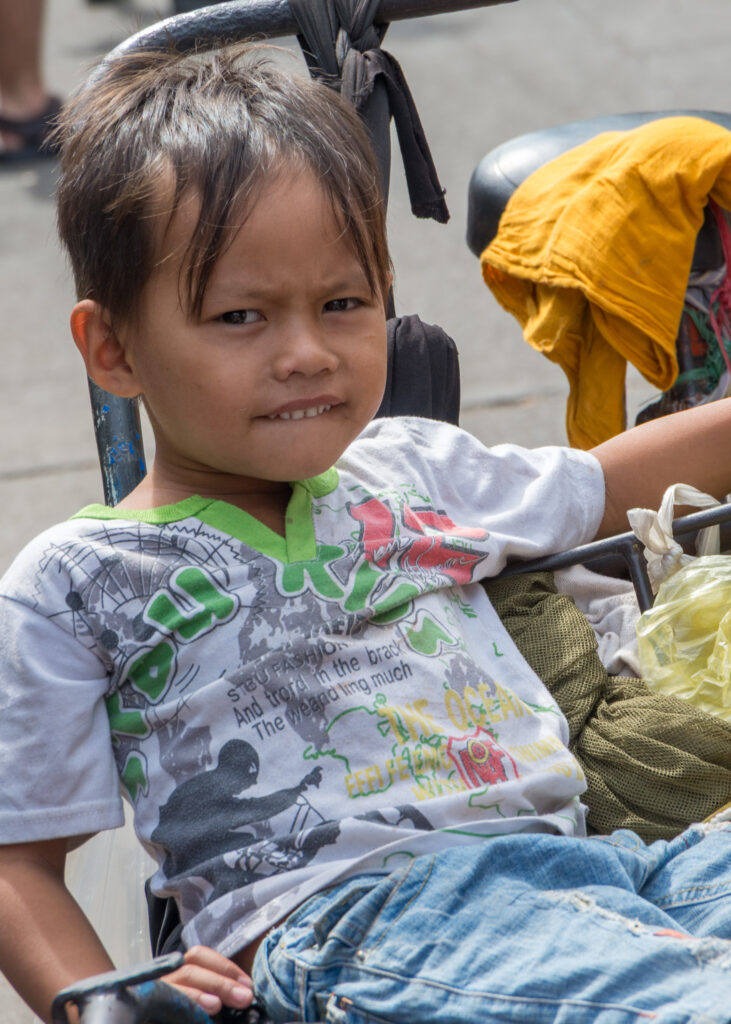
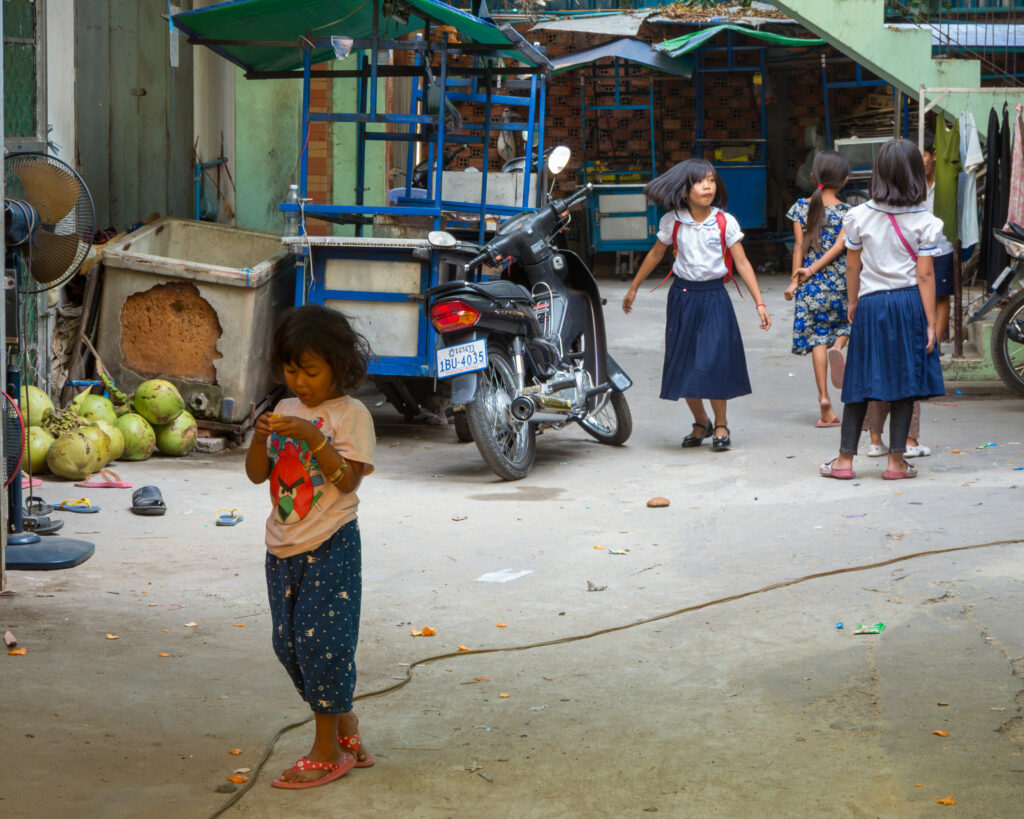
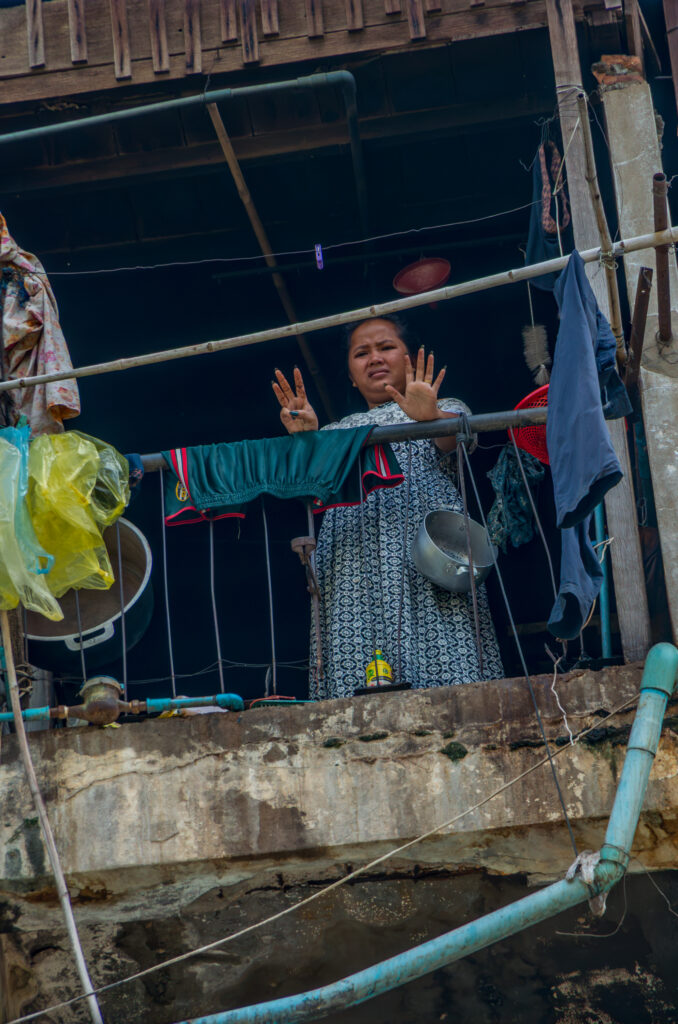
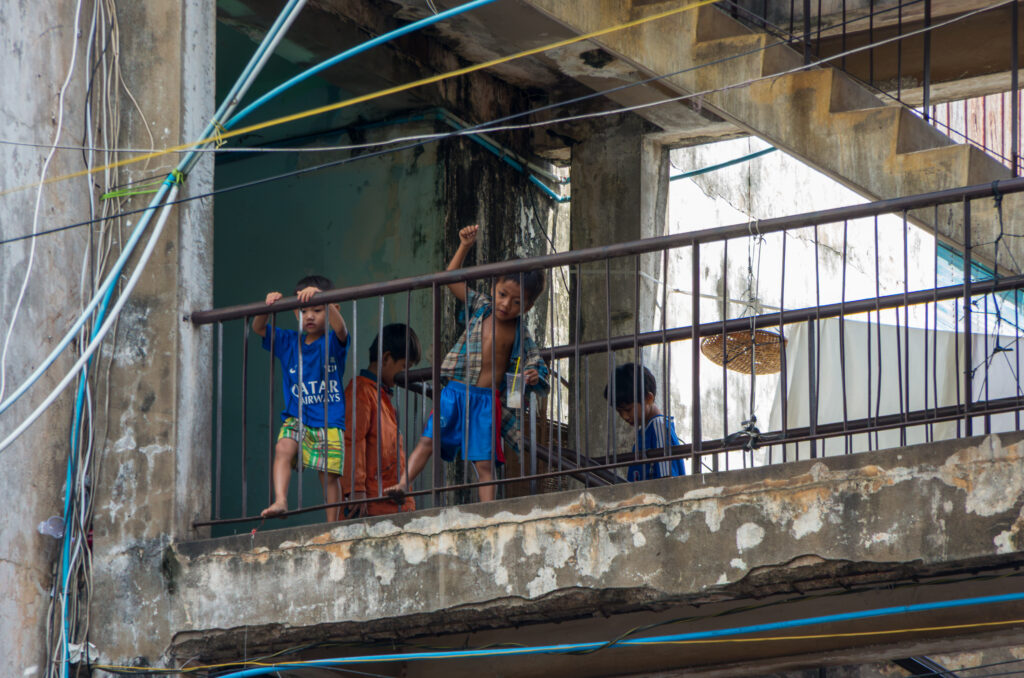
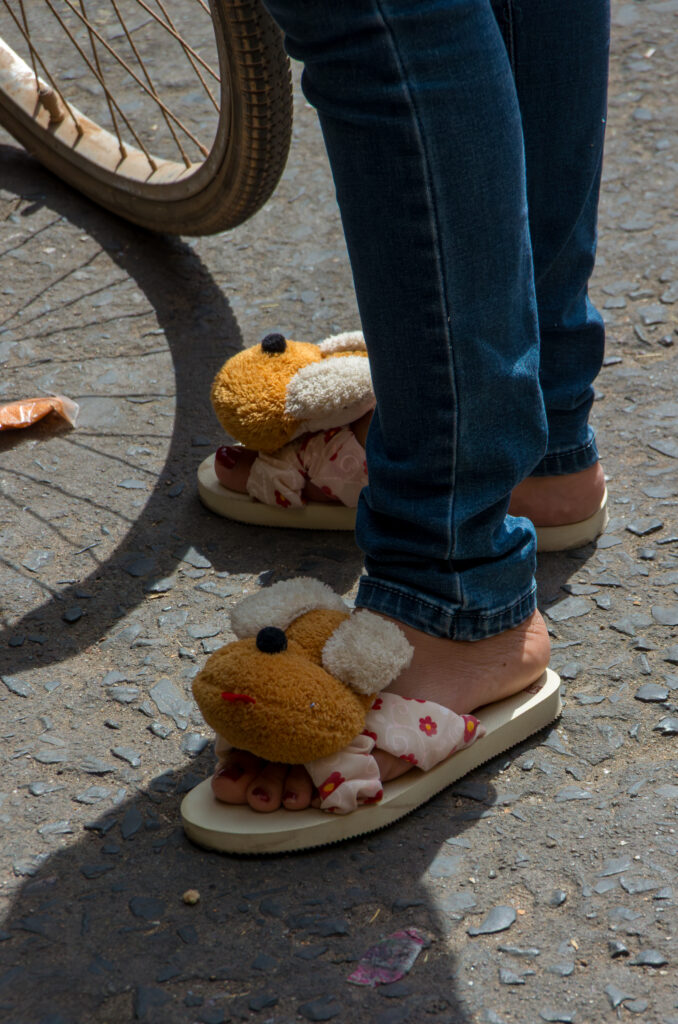
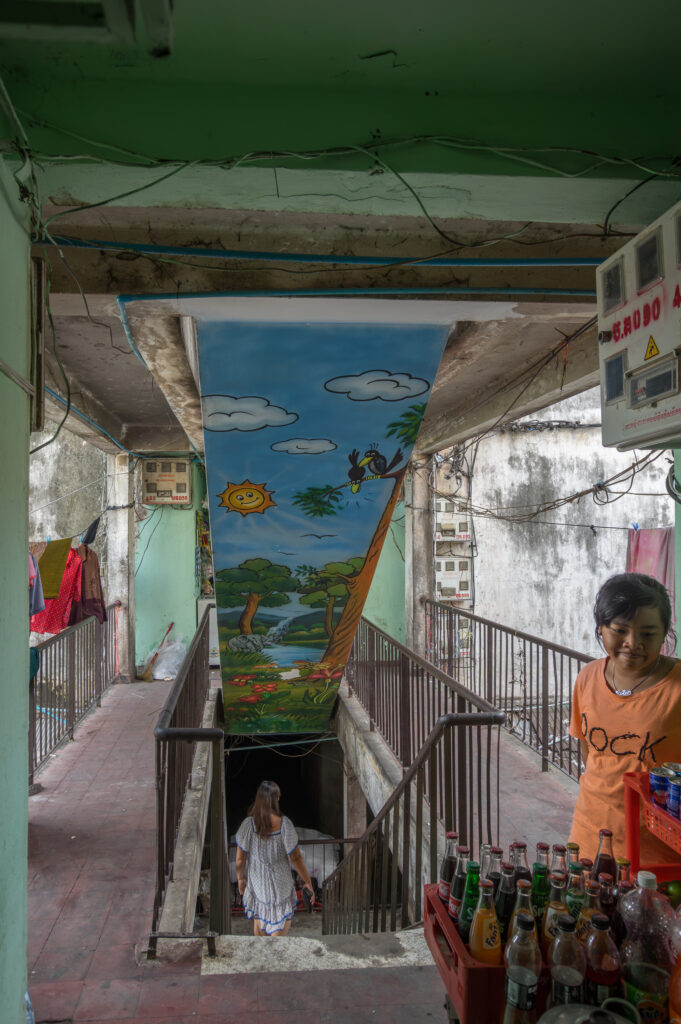
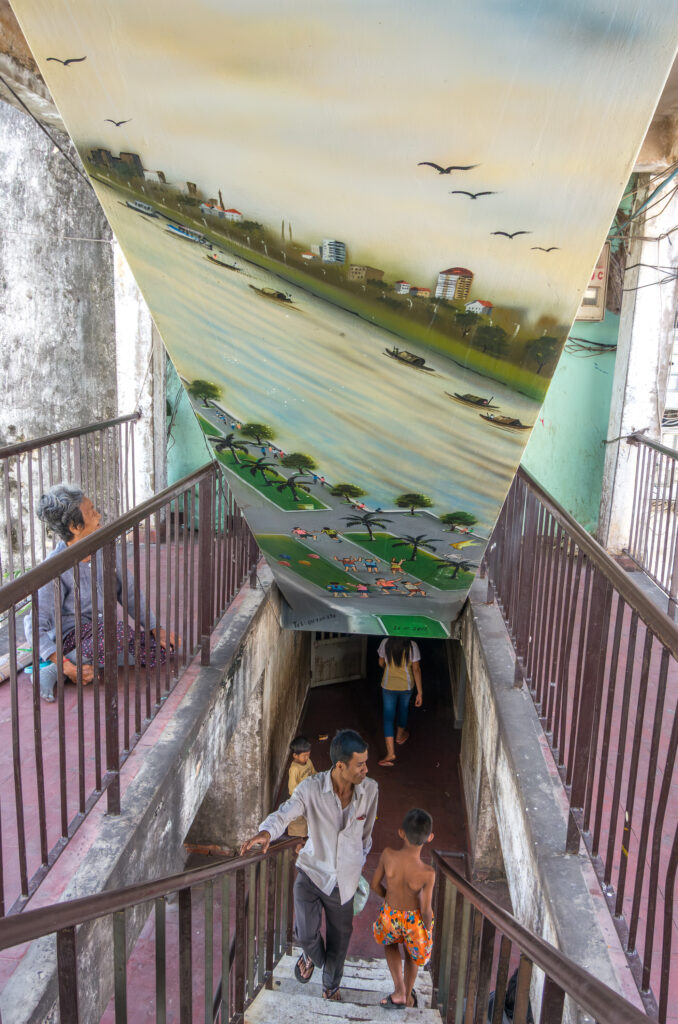
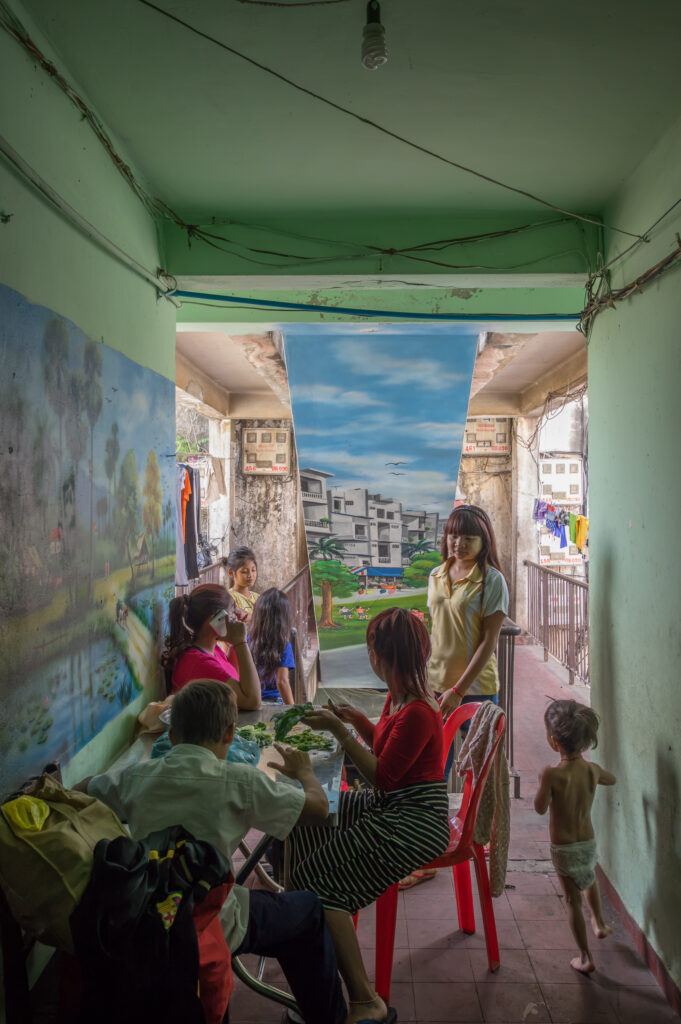
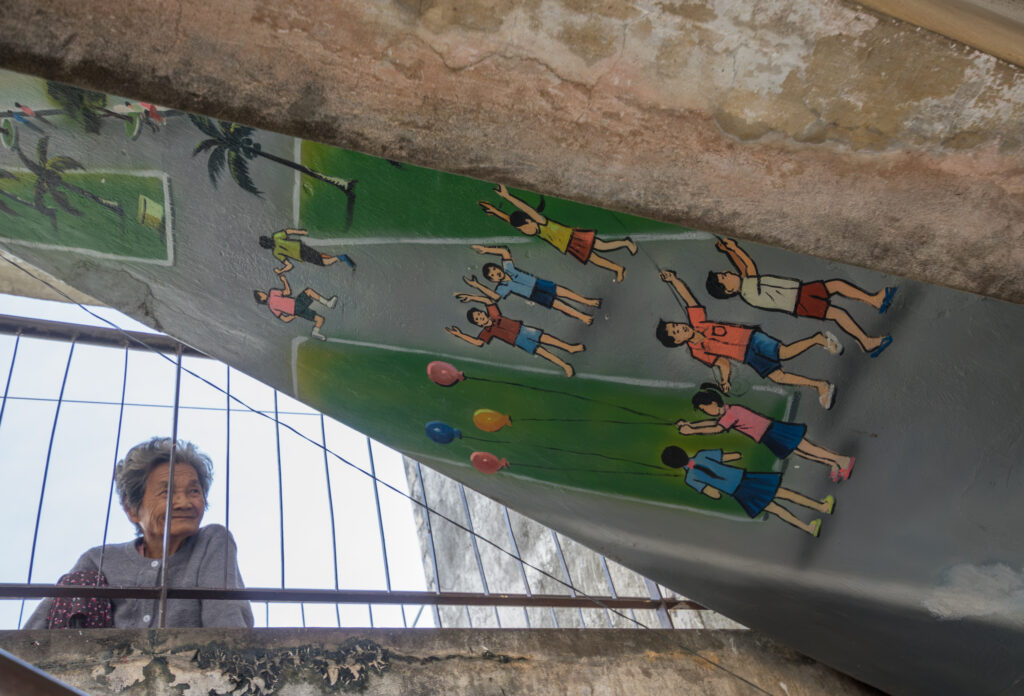
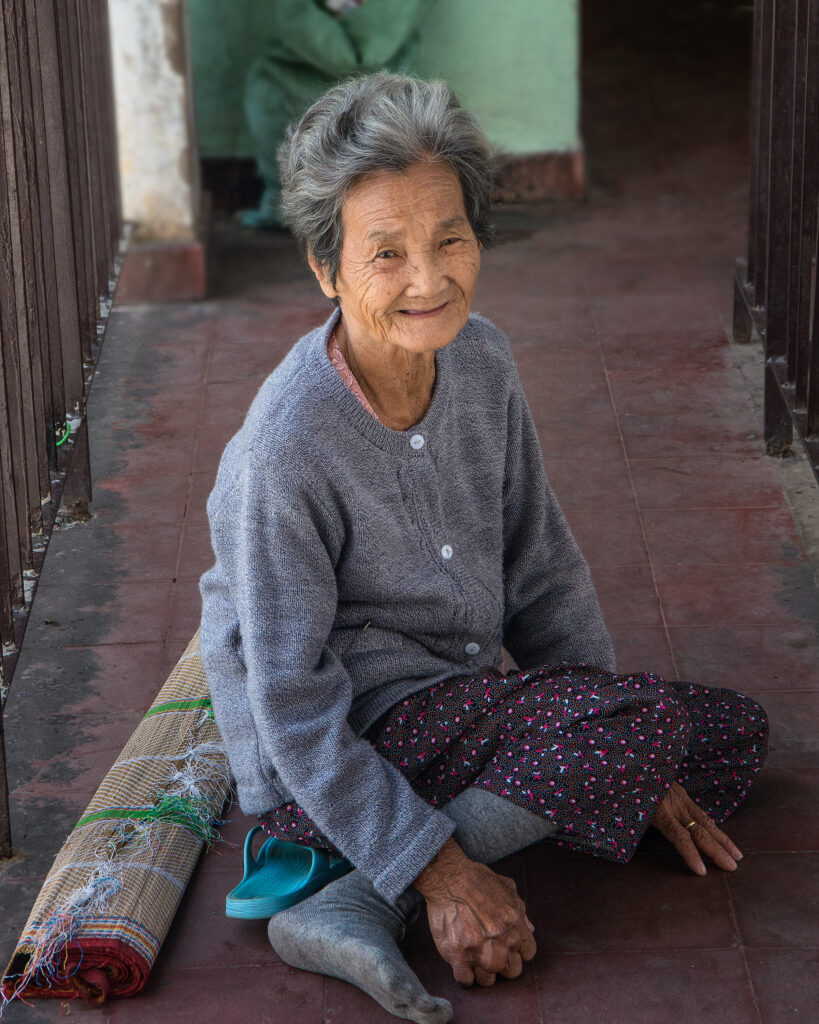
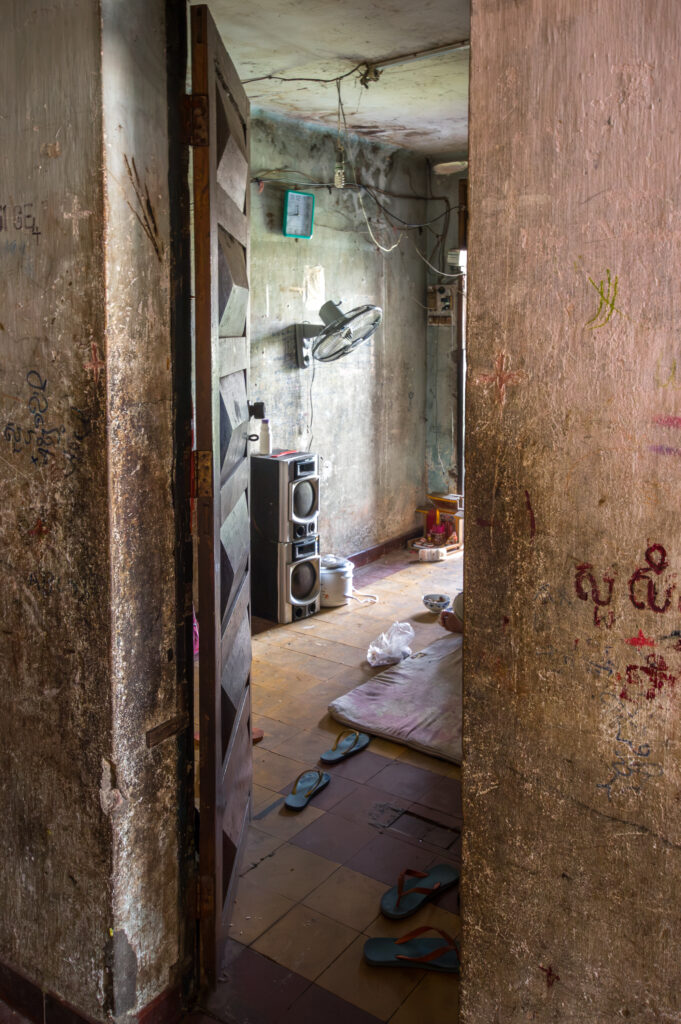
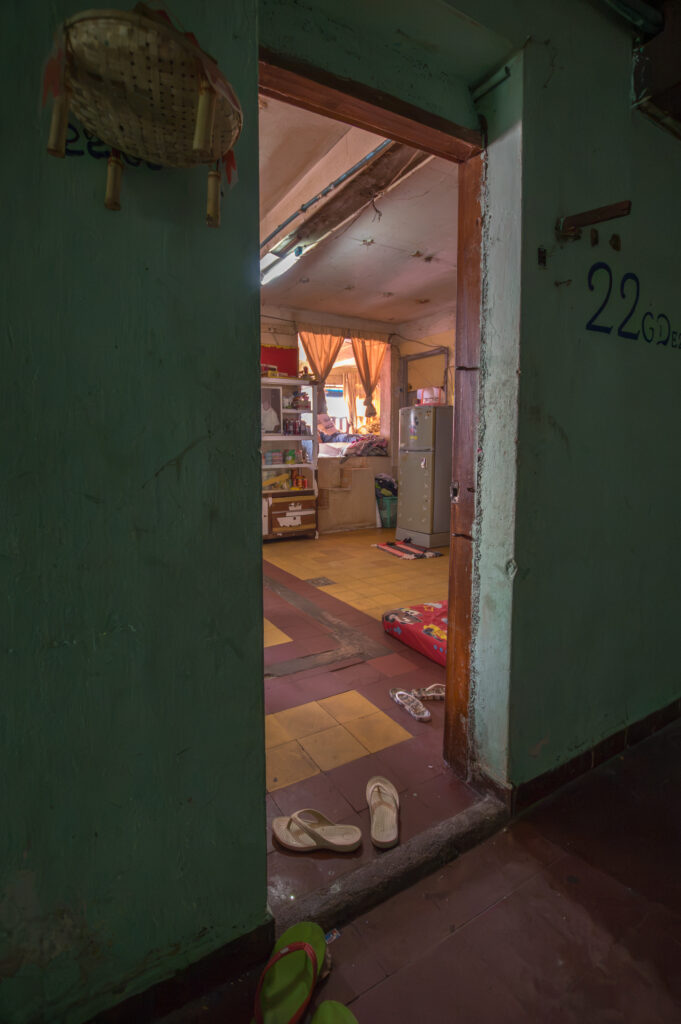
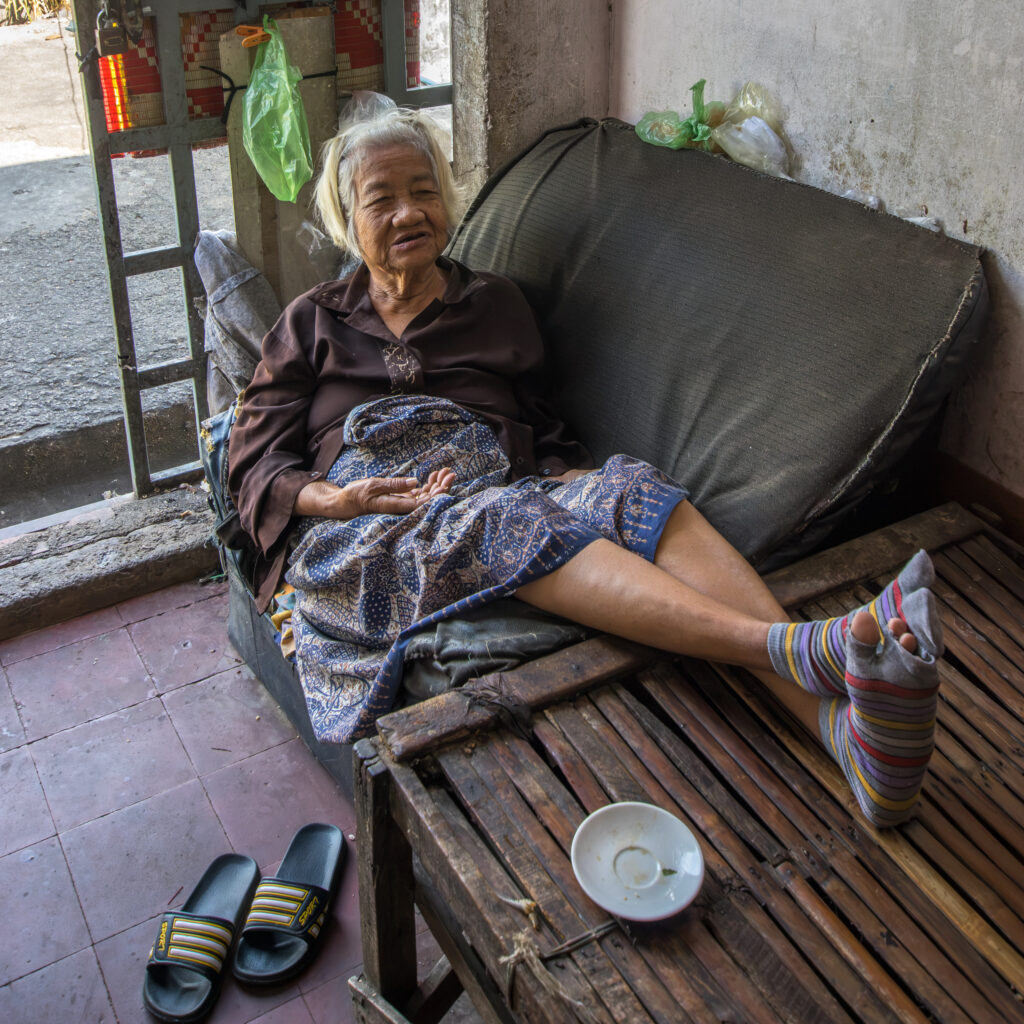
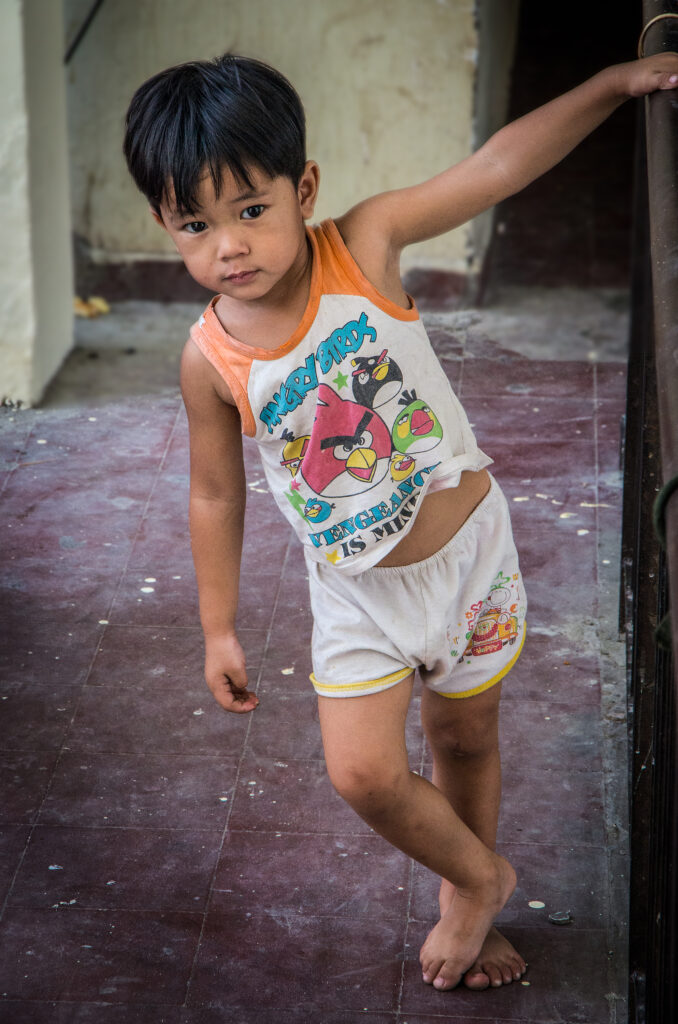
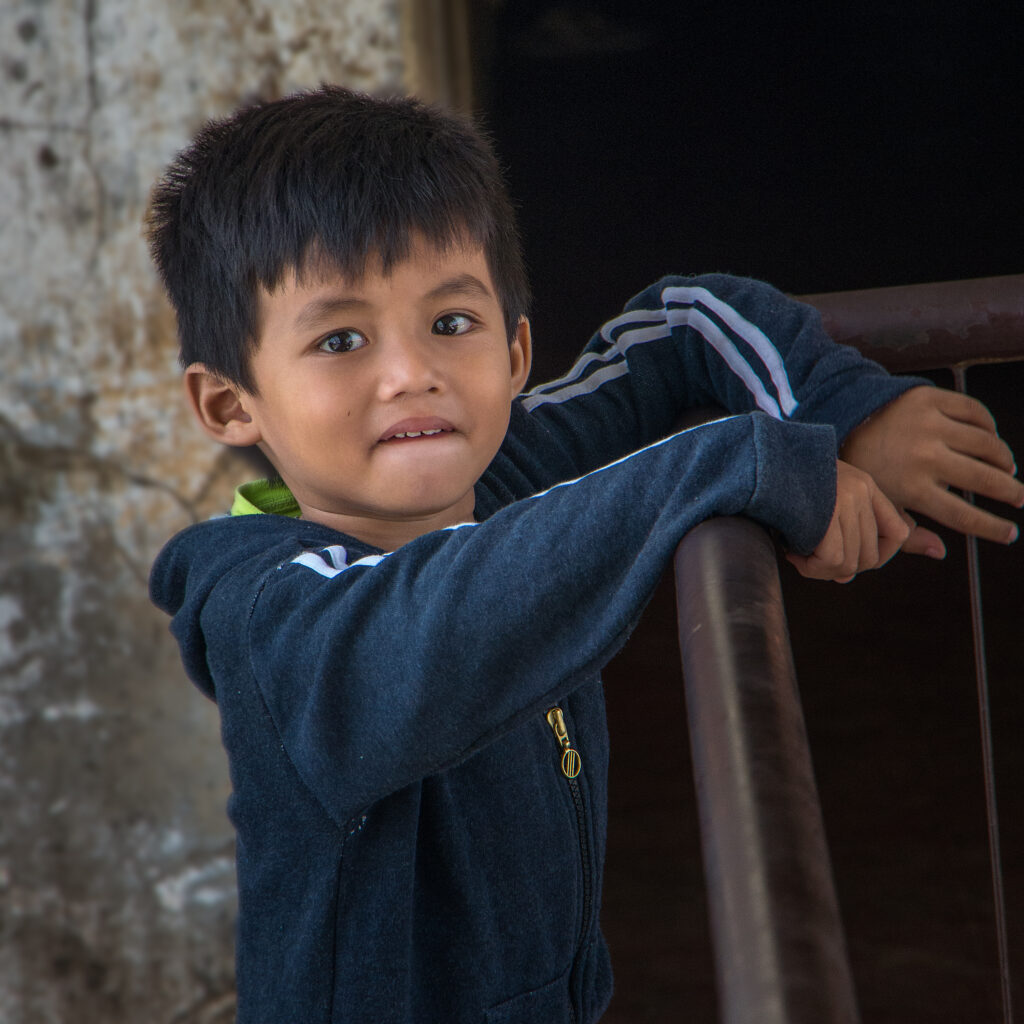
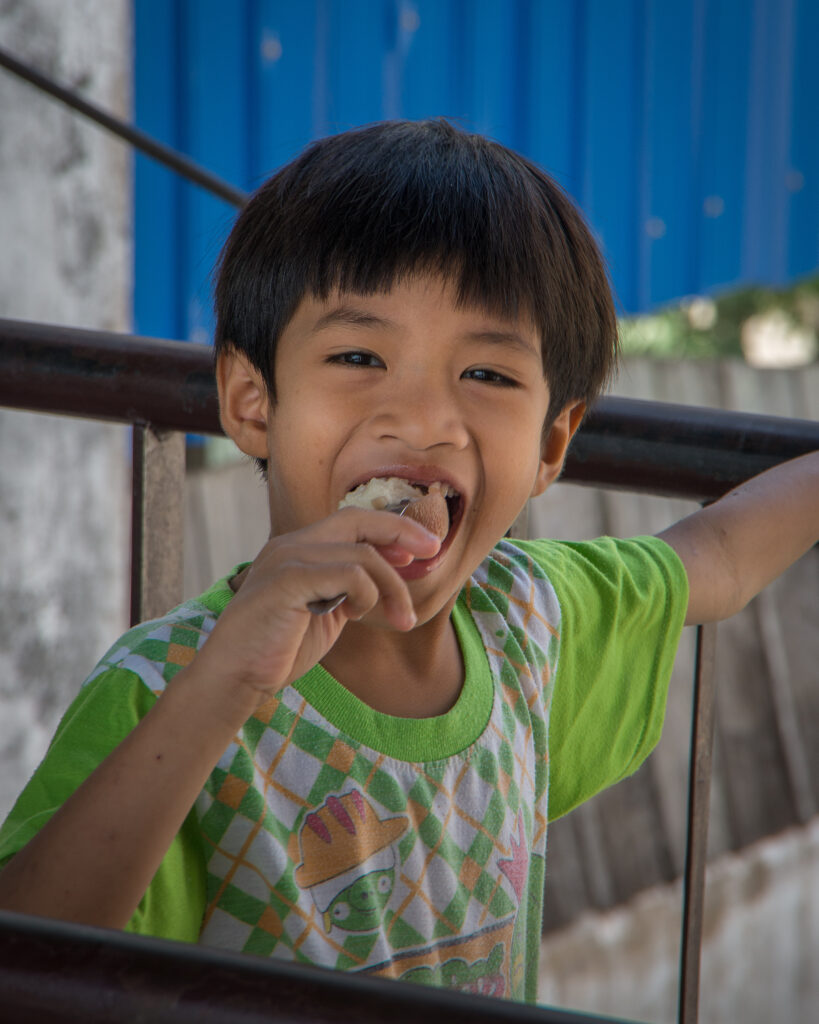
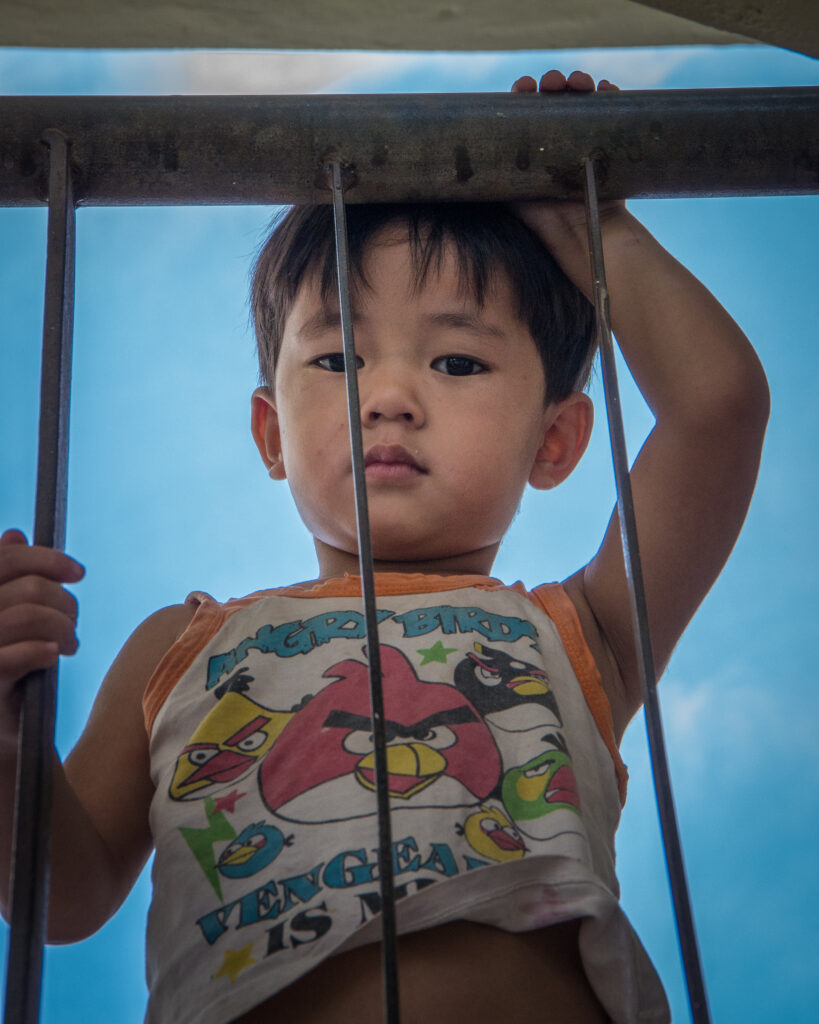
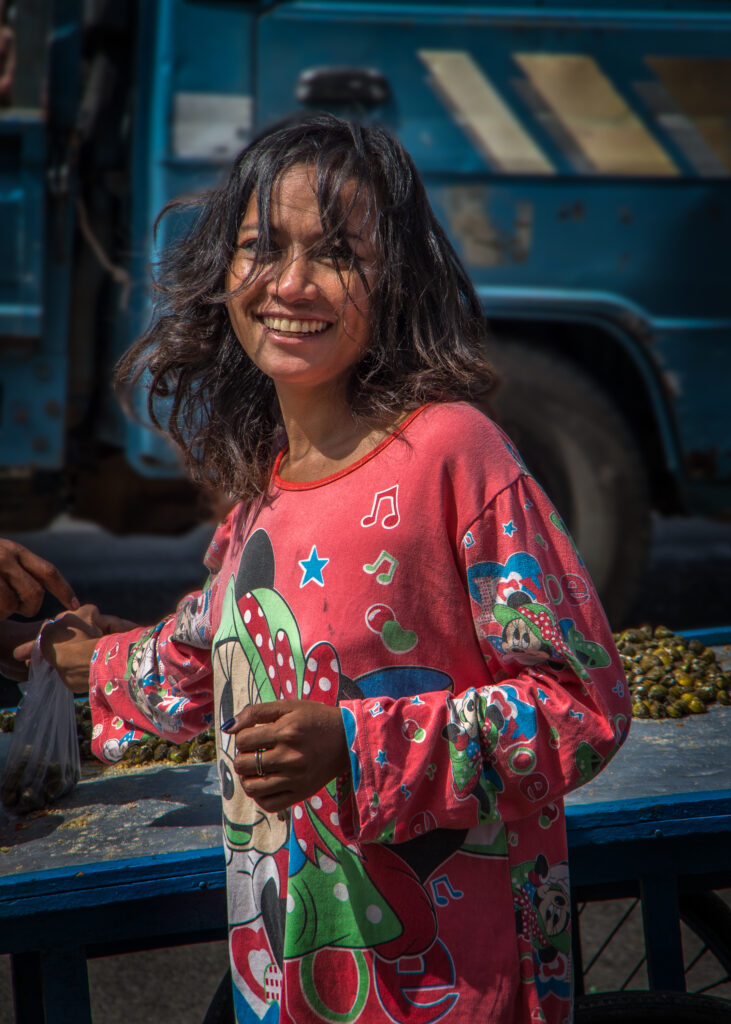
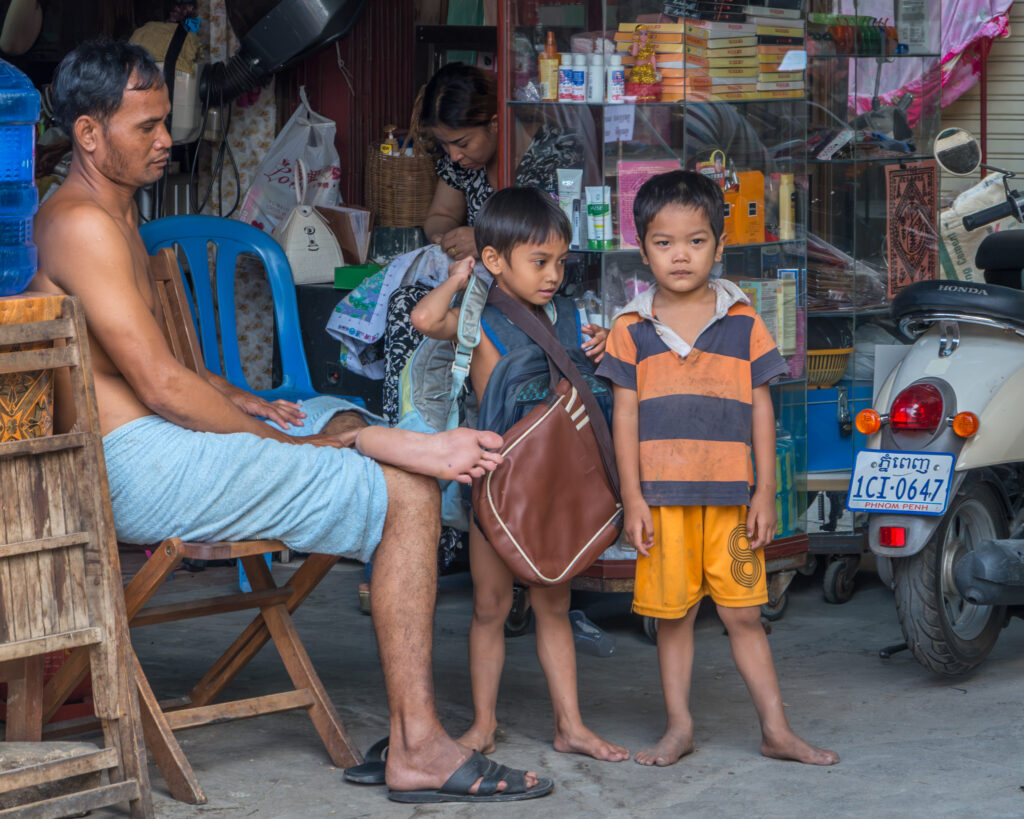
In 2015, the first of a number of trips I have made to Southeast Asia was to Cambodia. Not knowing its history at the time, I spent a couple hours walking through the White Building, photographing it and its residents. As in many places in Southeast Asia, the ground floor consisted of various shops, both impromptu and established, selling dry goods and food products, as well as providing services such as a beauty salon and food take-away. Retrospectively, looking back on these 11-year-old images of a place and people now gone and dispersed, I realize that my simple and unassuming exploration of a decrepit but still thriving building, remains a visual document of sorts. This is one of the beauties of photography.
Words and Images Jeff Clay